
Acid reflux is a painful and often persistent condition that affects millions worldwide. The burning sensation in your chest, also known as heartburn, occurs when stomach acid backs up into the oesophagus.
While occasional acid reflux is common, frequent episodes can lead to more serious conditions, such as gastroesophageal reflux disease (GERD).
One of the biggest culprits behind acid reflux? Your diet.
Certain foods weaken the lower oesophageal sphincter (LES), allowing acid to escape into the oesophagus, causing discomfort and damage over time. If you’re struggling with heartburn, avoiding these trigger foods is essential.
Below, we break down the 10 worst foods for acid reflux and offer alternative options to help keep symptoms at bay.

[icon name=”burger” prefix=”fas”] Fried and Fatty Foods: A Recipe for Heartburn
Fried and fatty foods are some of the worst offenders when it comes to acid reflux. These foods take longer to digest, increasing the pressure on the stomach and causing acid to back up into the oesophagus.
Why They Cause Acid Reflux:
- High-fat content relaxes the LES, making it easier for acid to escape.
- They slow down digestion, increasing the likelihood of acid build-up.
- Fried foods contain unhealthy trans fats, which contribute to inflammation.
Common Culprits:
[icon name=”xmark” prefix=”fas”] French fries
[icon name=”xmark” prefix=”fas”] Fried chicken
[icon name=”xmark” prefix=”fas”] Potato chips
[icon name=”xmark” prefix=”fas”] Onion rings
[icon name=”xmark” prefix=”fas”] High-fat cuts of meat
Better Alternatives:
[icon name=”check” prefix=”fas”] Grilled or baked chicken instead of fried chicken
[icon name=”check” prefix=”fas”] Roasted sweet potatoes instead of French fries
[icon name=”check” prefix=”fas”] Air-popped popcorn instead of greasy chips
[icon name=”pepper-hot” prefix=”fas”] Spicy Foods: The Heat That Burns Twice
Spicy foods are notorious for triggering acid reflux. Ingredients like chili peppers contain capsaicin, which irritates the esophagus and weakens the LES.
Why They Cause Acid Reflux:
- Capsaicin slows digestion, increasing acid production.
- Spicy foods can irritate an already inflamed esophagus.
Common Culprits:
[icon name=”xmark” prefix=”fas”] Hot sauce
[icon name=”xmark” prefix=”fas”] Jalapeños
[icon name=”xmark” prefix=”fas”] Chili powder
[icon name=”xmark” prefix=”fas”] Spicy curries
[icon name=”xmark” prefix=”fas”] Buffalo wings
Better Alternatives:
[icon name=”check” prefix=”fas”] Mild herbs like basil, oregano, or thyme for flavour
[icon name=”check” prefix=”fas”] Bell peppers instead of hot peppers
[icon name=”check” prefix=”fas”] Turmeric and ginger for anti-inflammatory benefits
[icon name=”lemon” prefix=”fas”] Citrus Fruits: Too Much Acid on Acid
Citrus fruits might be packed with vitamins, but they are highly acidic. Consuming them can irritate the esophagus and worsen reflux symptoms.
Why They Cause Acid Reflux:
Their high acidity increases stomach acid levels.
- Citrus weakens the LES, leading to acid backflow.
Common Culprits:
[icon name=”xmark” prefix=”fas”] Oranges
[icon name=”xmark” prefix=”fas”] Lemons
[icon name=”xmark” prefix=”fas”] Limes
[icon name=”xmark” prefix=”fas”] Grapefruits
[icon name=”xmark” prefix=”fas”] Pineapples
Better Alternatives:
[icon name=”check” prefix=”fas”] Bananas, which have a natural antacid effect
[icon name=”check” prefix=”fas”] Melons like cantaloupe and honeydew
[icon name=”check” prefix=”fas”] Apples and pears, which are lower in acidity
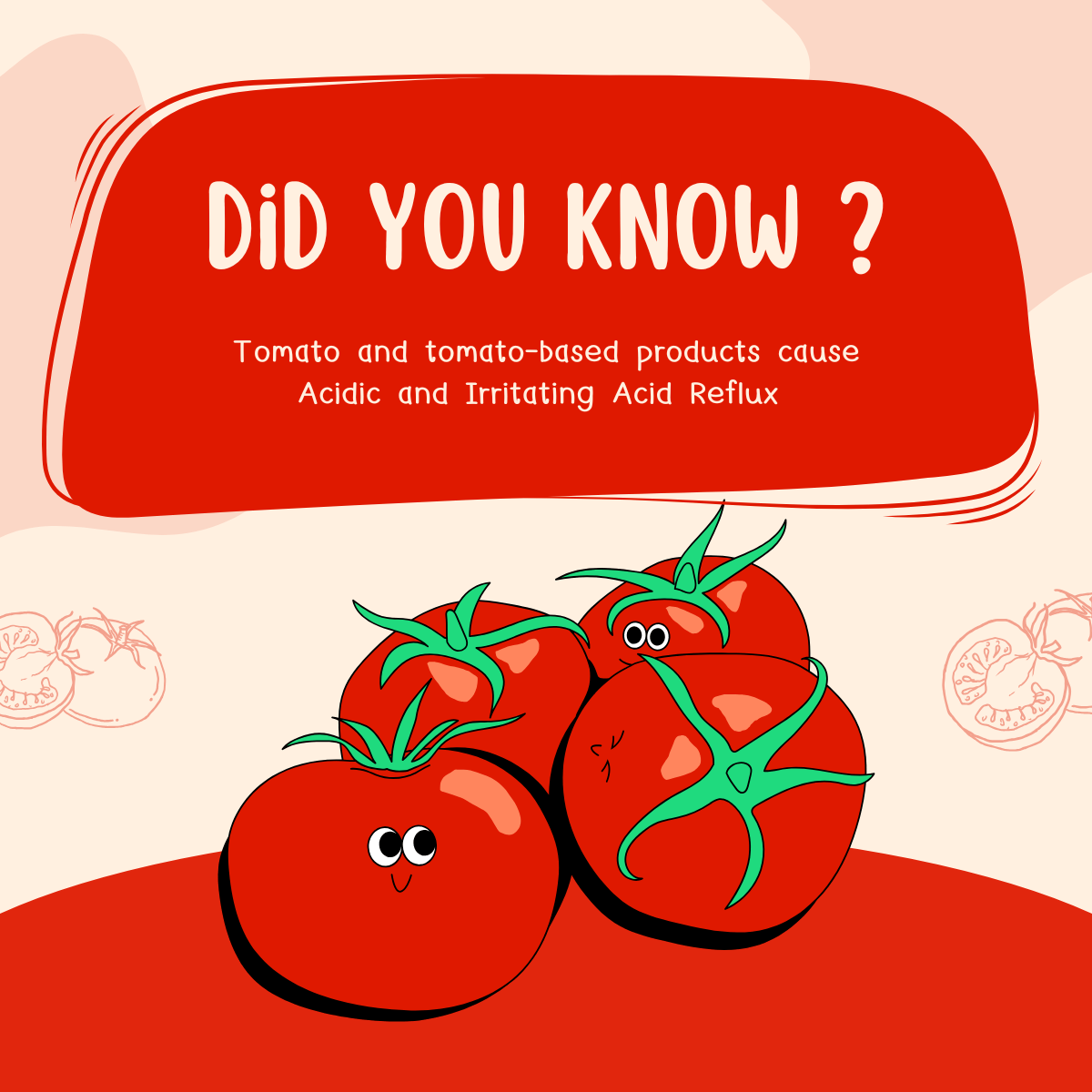
[icon name=”pizza-slice” prefix=”fas”] Tomatoes and Tomato-Based Products: Acidic and Irritating
Tomatoes are another highly acidic food that can lead to severe acid reflux symptoms. Whether in raw form or as a sauce, they contribute to irritation and acid build-up.
Why They Cause Acid Reflux:
- High natural acidity irritates the esophagus.
- Tomato-based sauces often contain added spices and fats, making them even worse.
Common Culprits:
[icon name=”xmark” prefix=”fas”] Marinara sauce
[icon name=”xmark” prefix=”fas”] Ketchup
[icon name=”xmark” prefix=”fas”] Salsa
[icon name=”xmark” prefix=”fas”] Tomato soup
[icon name=”xmark” prefix=”fas”] Pizza sauce
Better Alternatives:
[icon name=”check” prefix=”fas”] Pesto or olive oil-based sauces for pasta
[icon name=”check” prefix=”fas”] Hummus or guacamole as a dip instead of salsa
[icon name=”check” prefix=”fas”] Roasted red peppers for a less acidic alternative
[icon name=”cookie-bite” prefix=”fas”] Chocolate: A Sweet But Dangerous Treat
Chocolate may be a comfort food, but it’s a nightmare for acid reflux sufferers. The combination of caffeine, fat, and theobromine (a compound that relaxes the LES) makes it a perfect storm for heartburn.
Why It Causes Acid Reflux:
- Contains caffeine and theobromine, which relax the LES.
- High in fat, slowing digestion.
- Can trigger increased acid production.
Common Culprits:
[icon name=”xmark” prefix=”fas”] Milk chocolate
[icon name=”xmark” prefix=”fas”] Chocolate cake
[icon name=”xmark” prefix=”fas”] Chocolate ice cream
[icon name=”xmark” prefix=”fas”] Hot cocoa
Better Alternatives:
[icon name=”check” prefix=”fas”] Dark chocolate in small amounts (lower sugar and fat)
[icon name=”check” prefix=”fas”] Carob-based sweets
[icon name=”check” prefix=”fas”] Vanilla or fruit-based desserts
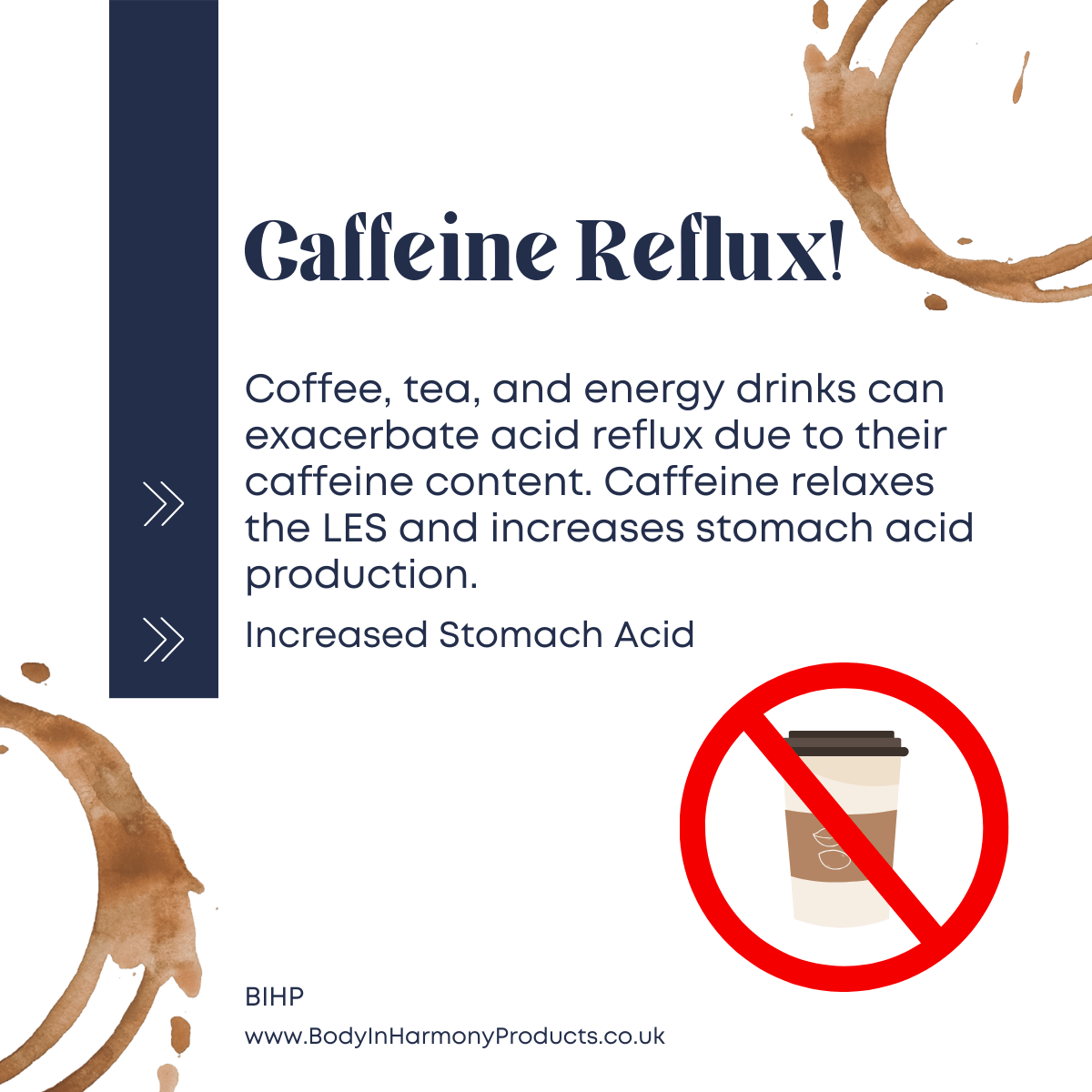
[icon name=”mug-hot” prefix=”fas”] Caffeinated Beverages: The Hidden Acidic Enemy
Coffee, tea, and energy drinks can exacerbate reflux due to their caffeine content. Caffeine relaxes the LES and increases stomach acid production.
Why They Cause Acid Reflux:
- Caffeine weakens the LES.
- Many caffeinated drinks are acidic.
- They can stimulate stomach acid overproduction.
Common Culprits:
[icon name=”xmark” prefix=”fas”] Coffee
[icon name=”xmark” prefix=”fas”] Black tea
[icon name=”xmark” prefix=”fas”] Energy drinks
[icon name=”xmark” prefix=”fas”] Certain sodas
Better Alternatives:
[icon name=”check” prefix=”fas”] Herbal teas like chamomile or ginger tea
[icon name=”check” prefix=”fas”] Decaf coffee (in moderation)
[icon name=”check” prefix=”fas”] Water with a splash of lemon (for those who can tolerate it)

[icon name=”bottle-droplet” prefix=”fas”] Carbonated Drinks: Bubbles That Bring the Burn
Energy drinks, Sodas and sparkling water might seem harmless, but they can increase pressure on the stomach, pushing acid into the esophagus.
Why They Cause Acid Reflux:
- Carbonation expands the stomach, forcing acid upward.
- Many sodas contain caffeine and high acidity.
Common Culprits:
[icon name=”xmark” prefix=”fas”] Cola drinks
[icon name=”xmark” prefix=”fas”] Club soda
[icon name=”xmark” prefix=”fas”] Sparkling water
[icon name=”xmark” prefix=”fas”] Champagne
Better Alternatives:
[icon name=”check” prefix=”fas”] Plain water or infused water with cucumber or mint
[icon name=”check” prefix=”fas”] Coconut water for hydration without acid build-up
[icon name=”wine-glass” prefix=”fas”] Alcohol: A Double Threat to Digestion
Alcohol is one of the worst triggers for reflux. It weakens the LES and increases stomach acid production, making symptoms worse.
Why It Causes Acid Reflux:
- Alcohol relaxes the LES.
- Some drinks are highly acidic (wine, beer).
- It increases acid production in the stomach.
Common Culprits:
[icon name=”xmark” prefix=”fas”] Red and white wine
[icon name=”xmark” prefix=”fas”] Beer
[icon name=”xmark” prefix=”fas”] Cocktails with citrus or soda mixers
[icon name=”xmark” prefix=”fas”] Hard liquor
Better Alternatives:
[icon name=”check” prefix=”fas”] Mocktails made with herbal teas
[icon name=”check” prefix=”fas”] Non-alcoholic beers (in moderation)
[icon name=”check” prefix=”fas”] Diluted apple cider vinegar for digestive health

[icon name=”cow” prefix=”fas”] Dairy Products: Creamy but Troublesome
Many people experience acid reflux after consuming dairy, particularly high-fat versions. Full-fat dairy products relax the LES and increase acid production.
Why They Cause Acid Reflux:
- High fat content slows digestion.
- Some people are lactose intolerant, leading to bloating and reflux.
Common Culprits:
[icon name=”xmark” prefix=”fas”] Whole milk
[icon name=”xmark” prefix=”fas”] Heavy cream
[icon name=”xmark” prefix=”fas”] Cheese (especially aged cheeses)
[icon name=”xmark” prefix=”fas”] Ice cream
Better Alternatives:
[icon name=”check” prefix=”fas”] Low-fat or plant-based dairy alternatives
[icon name=”check” prefix=”fas”] Almond or oat milk instead of whole milk
[icon name=”check” prefix=”fas”] Greek yogurt in moderation
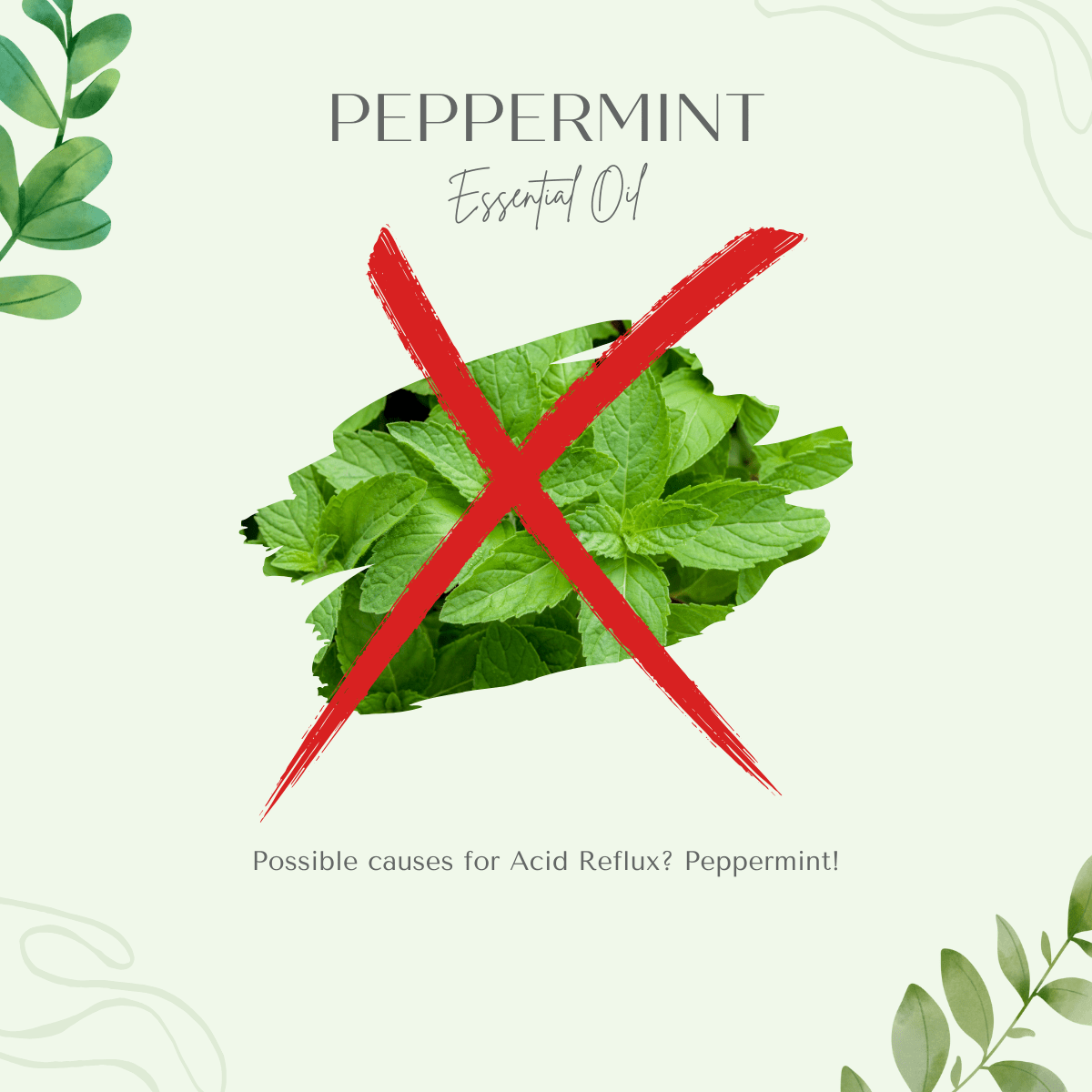
[icon name=”leaf” prefix=”fas”] Peppermint: A Surprising Culprit
Peppermint is often used to soothe digestive issues, but it actually relaxes the LES, making acid reflux worse.
Why It Causes Acid Reflux:
- Relaxes the LES too much.
- Increases acid flow into the esophagus.
Common Culprits:
[icon name=”xmark” prefix=”fas”] Peppermint tea
[icon name=”xmark” prefix=”fas”] Mint candies
[icon name=”xmark” prefix=”fas”] Chewing gum with peppermint flavour
Better Alternatives:
[icon name=”check” prefix=”fas”] Ginger tea for digestion
[icon name=”check” prefix=”fas”] Fennel seeds for bloating relief
[icon name=”check” prefix=”fas”] Chamomile tea to calm the stomach
Final Thoughts: Protect Your Gut, Choose Wisely
If you struggle with reflux, avoiding these foods can make a significant difference. Opting for healthier, low-acid, and easily digestible alternatives can help you manage your symptoms and improve your overall well-being.
FAQs
1. Can drinking water help with acid reflux?
Yes, drinking water can help neutralize stomach acid, but too much at once can expand the stomach and worsen symptoms.
2. Are eggs bad for acid reflux?
Egg whites are generally safe, but egg yolks are high in fat and may trigger reflux.
3. How long does acid reflux last after eating?
Symptoms usually appear within 30 minutes to 2 hours after eating and can last for a few hours.
4. Is honey good for acid reflux?
Yes, honey has anti-inflammatory properties that may help soothe the oesophagus.
5. Can probiotics help with acid reflux?
Yes, probiotics support gut health and may reduce reflux symptoms over time.
Certain foods are known to aggravate acid reflux symptoms, particularly when eaten regularly or in large amounts. If you’re looking to place these triggers into a wider lifestyle context, our holistic wellbeing content explores how everyday food choices and simple habits can help support digestive comfort and overall balance.